


Enable Fast and Accurate Data Transfers
RFID allows for quick and reliable data transfer between an interrogator (reader/writer) and a transponder (RFID inlay) attached to an item.
No physical line of sight or contact between the reader/writer and the tagged item is required. Items can be stationary or in motion during the identification process.

RFID Tags and Labels
Track items, inventory, people or livestock with RFID tags and labels. RFID technology (Radio Frequency Identification) is applied across the manufacturing, transportation, warehousing, retail, agricultural, healthcare, education and utility sectors, as well as the laundry and waste management industries.
How RFID Tags and Labels Work
RFID allows for quick and reliable data transfer between an antenna (reader/writer) and a transponder (RFID inlay) attached to an item. The inlay includes a small chip and antenna that store and transmit information when activated by an RFID reader.
The labels and tags are designed to help businesses identify, track and manage products, assets and inventory using radio frequency technology. Unlike traditional barcode labels, RFID labels do not need to be scanned one at a time or positioned directly in front of a scanner. No physical line of sight or contact between the reader/writer and the tagged item is required. Items can be stationary or in motion during the identification process. Instead, an RFID reader communicates with the RFID inlay inside the label or tag, allowing data to be captured quickly and efficiently. This can be applied to individual products, cases, pallets, or large pieces of equipment.
For businesses managing fast-moving inventory, high-volume production, warehouse operations or complex supply chains, RFID labels can improve visibility, reduce manual scanning and support more accurate data collection throughout the product lifecycle.
Enable Fast and Accurate Data Transfers
RFID allows for quick and reliable data transfer between an interrogator (reader/writer) and a transponder (RFID inlay) attached to an item.
No physical line of sight or contact between the reader/writer and the tagged item is required. Items can be stationary or in motion during the identification process.

RFID for Manufacturing and Logistics
RFID labels and tags are especially valuable in manufacturing, logistics, warehousing and distribution environments where speed, accuracy and visibility are critical. They can support inventory tracking, work-in-progress identification, pallet tracking, case-level tracking, asset management, returnable container tracking and supply chain visibility.
In manufacturing, RFID can help teams monitor materials, components or finished goods as they move through production. In warehouses and distribution centers, RFID labels can help improve receiving, picking, shipping and inventory control. For logistics and transportation, RFID tags can support more efficient tracking across multiple touchpoints.
Because RFID can reduce the need for manual scanning, it can help companies improve productivity, reduce errors and capture data more consistently. When combined with printed variable data, barcodes, human-readable information and brand graphics, RFID labels can serve both operational and identification needs in one solution.
Insert RFID Inlays in Customized Labels or Tags
From miniature tags for jewellery to large airport luggage labels, RFID inlays can be embedded in labels of a variety of styles, sizes and shapes. Create the perfect RFID label without compromising your design.
Examples of styles include: flag tags, hang tags, PSL labels, dual RFID labels, buddy labels, NFC tags, two-sided printed tags and tickets.

Encapsulate RFIDs with the Right Material
RFIDs can adhere to paper, plastic, cardboard and even metal. The protective material around RFIDs depends on the environment.
Synthetic materials can perform under harsh weather conditions, high/low temperature or hazardous conditions, such as exposure to radiation, dust, UV rays, chemicals or detergent. RFID labels can also be food-compatible.
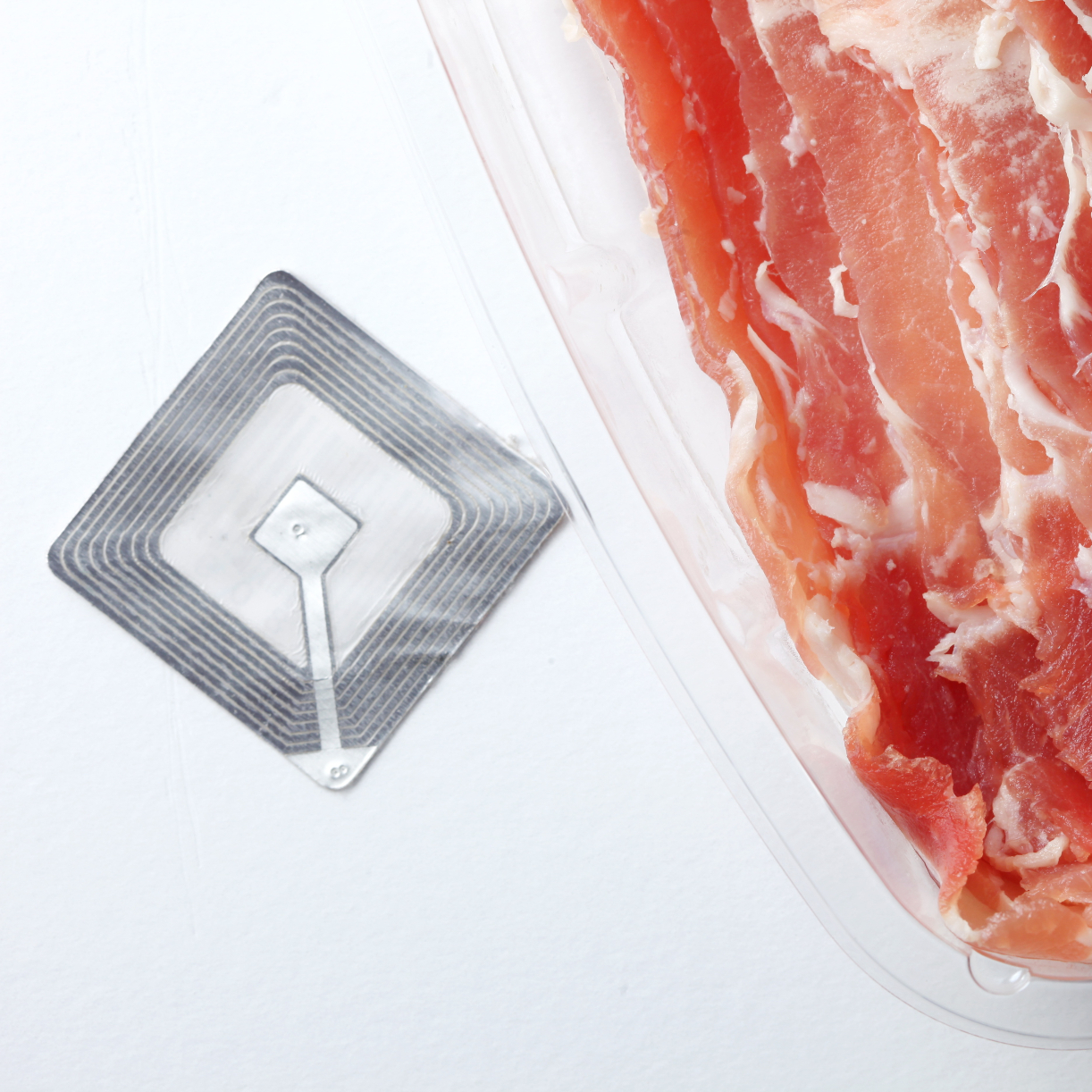
Choose from a Host of RFID Applications
RFID tags and labels can be used in many sectors. Here’s a non-exhaustive list of potential segment Applications:
Jewellery tags
Waste management tags
Garden / Nursery tags
Data cartridge tags
Retail tags
Airport luggage tags
Logistic 4×2’s
Windshield labels
Automotive labels
Library labels
Full-service RFID Printing and Encoding
Did you know? Most label companies cannot embed an RFID inlay, print, convert and encode all in-house. That’s what makes Labelink different. Labelink is a true RFID expert offering full-service RFID tags and labels. By keeping everything in-house, we can move faster while reducing the carbon emissions associated with shipping materials from plant to plant.
We have a wealth of experience to:
1) Guide you towards the best business solution
2) Convert RFID inlays (integrated circuits) into labels or tags that will meet your needs
3) Encode your RFID labels with unique identifiers, and print text, customized variable data, barcodes or sequential numbers.
Choosing the Right RFID Label
The right RFID label depends on the product, surface, environment and tracking requirements. A label used on a corrugated case may need a very different construction than an RFID tag used on plastic, glass, metal, reusable containers or industrial equipment.
Important factors to consider include the application surface, label size, required read range, print method, encoding requirements and end-use environment. RFID labels may also need to withstand moisture, heat, cold, chemicals, UV exposure, abrasion or frequent handling.
For some applications, standard RFID label constructions may be suitable. Other projects may require more specialized materials, adhesives, face stocks, protective layers or custom tag formats. Choosing the correct construction from the beginning helps improve RFID performance, durability and long-term reliability.
Labelink can help evaluate the application and recommend RFID label or tag constructions based on your product, packaging, operating conditions and data requirements.
Latest News

Shrink Sleeve Packaging & Tactile Finishes
See how tactile varnishes elevate shrink sleeve packaging and create premium, sensory brand experiences.
Shrink Sleeve Packaging Applications Across Key Industries
Shrink sleeve packaging applications are not limited to a single industry. Their ability to combine performance, flexibility, and strong visual impact makes them a valuable solution across markets. Whether the goal is to stand out, communicate clearly, or improve durability, shrink sleeve packaging delivers consistent results.
Holographic & Cold Foil Shrink Sleeve Packaging
Holographic and cold foil effects add striking metallic impact to shrink sleeve packaging. These finishes capture light, enhance shelf presence, and elevate brand perception—making products stand out across every curve of the container.