



Introduction
When shoppers scan a shelf full of craft beer, label design can make the difference between grabbing attention and being ignored. Many consumers assume a beautifully colored design was printed directly onto the can or glass, but in reality, that look can be achieved without direct printing and thus without the steep minimums those processes typically demand. In this article, we’ll explore how modern labeling techniques let breweries get the “no-label / direct print” aesthetic, reduce inventory risks, and respond more nimbly to new flavor launches.
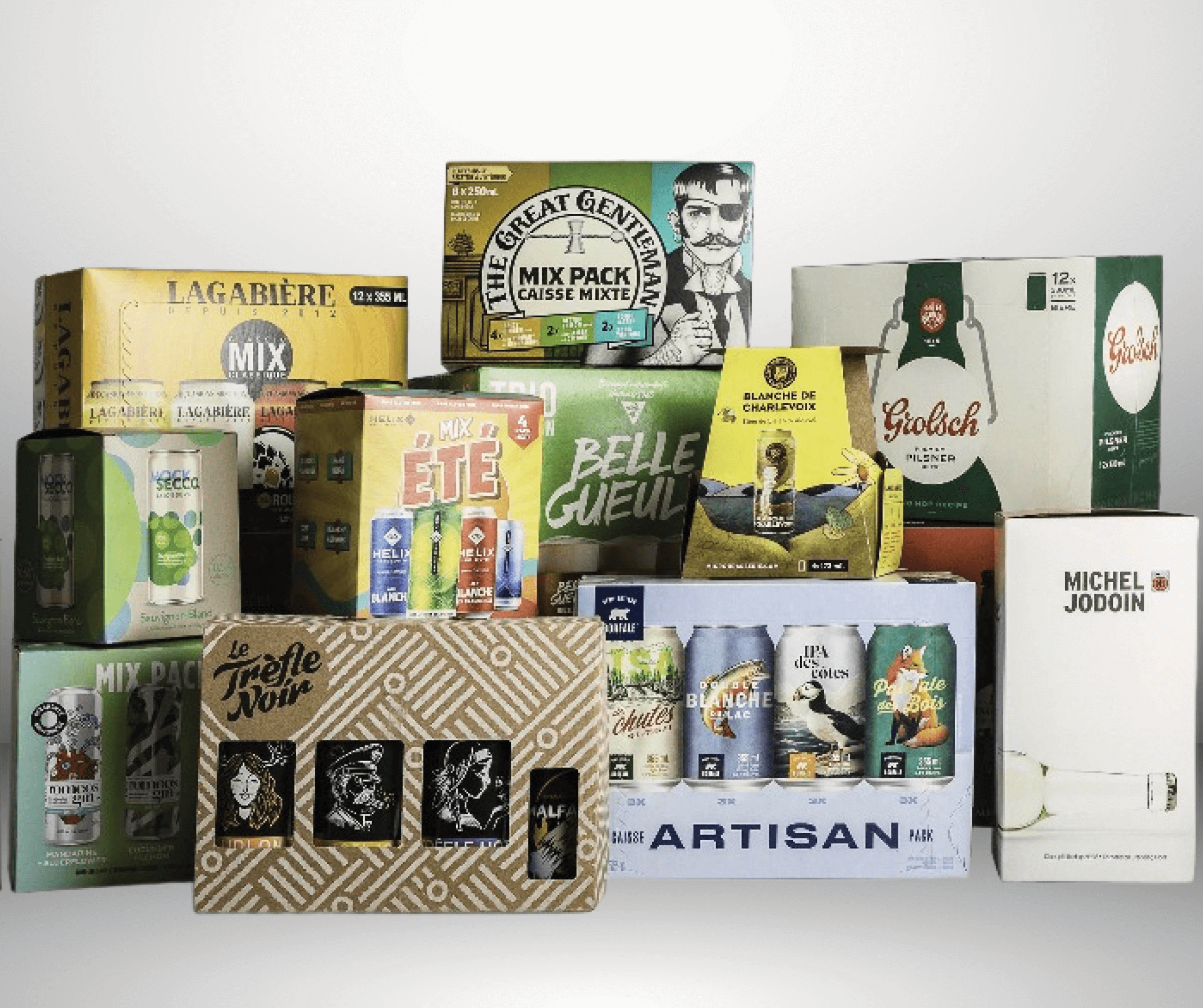
Why the Direct‑Print Look Matters for Beer Labels
- Shelf standout & perceived premium quality: High clarity film labels with bold inks can produce vibrant, clean visuals that replicate the look of graphics printed directly onto the container.
- Reduced inventory risk: By using label types that work well in smaller runs, breweries can avoid being stuck with large stocks of preprinted cans or labels should design or flavor changes occur.
- Faster time to market: Smaller minimums allow brands to release new flavors or seasonal variants with less lead time and lower risk.
- Operational flexibility: Pressure-sensitive or clear film labels often allow for easier changeovers on canning or bottling lines, and less dependence on pre-printed packaging inventory.
In one noted brewery example, switching to pressure-sensitive clear labels allowed their colors to “pop” on a white-coated can, delivering a direct-print visual effect, while also enabling smaller label runs and faster iteration.
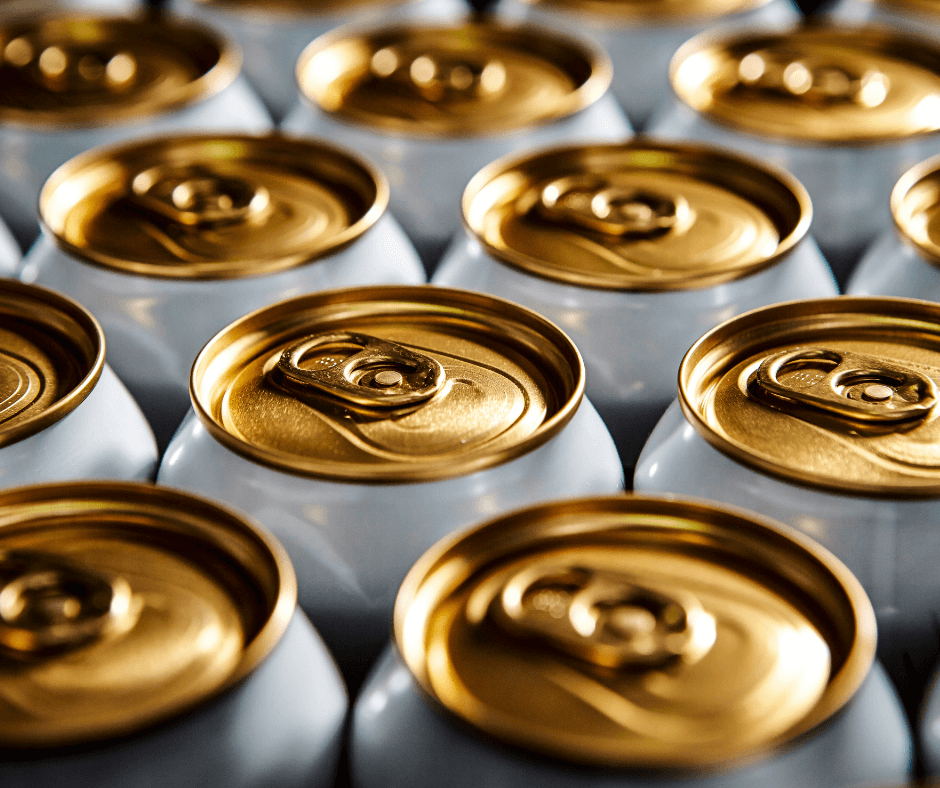
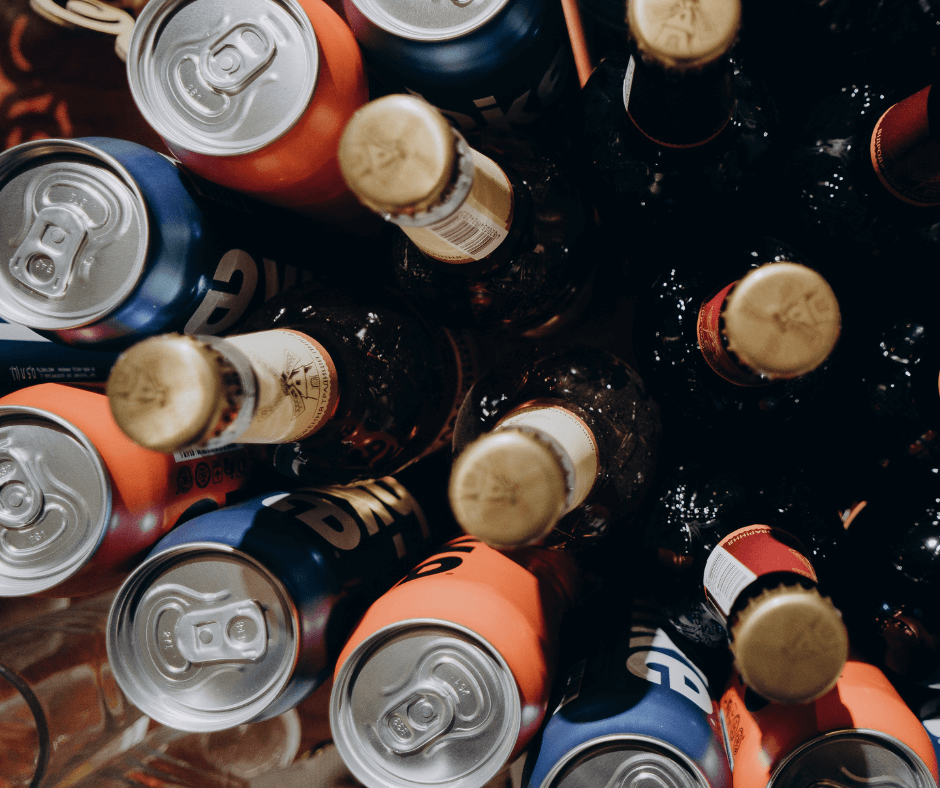
How Breweries Achieve the Direct Print Look (Without Large Minimums)
Here are some of the key technical approaches:
1. Use of Clear or “No‑Label” Film Materials
Our high-clarity films with excellent optical transparency allow the label to visually disappear, letting inks appear as if applied directly. When combined with strong adhesive and excellent ink anchorage, this creates the illusion of direct print.
2. High‑Quality Films & Topcoats
Advanced film technologies (like fully conformable films, or specialty clear films with topcoats) help avoid defects (e.g. scuffing, adhesive bleed) and maintain visual clarity. Some newer films are engineered to reduce adhesive buildup and downtime, keeping the look crisp and consistent.
3. Digital and Short‑Run Compatible Presses
Modern digital label presses (inkjet, UV, etc.) support shorter runs and variable data printing. In a brewery case, converters used digital presses to output multiple SKUs in small batches, enabling flexibility.
4. Pressure‑Sensitive Labels on White‑Coated Containers
By applying a bright white double-coating on the can itself, then adding clear film labels with vibrant inks, brands achieved a high-contrast, direct-print appearance. Because the ink is printed on a transparent film, it visually “floats” over the white can. This combination gives the visual impression of direct print without needing that process.
5. Lower Minimums via Converter Capabilities
Traditional direct print (e.g. UV offset, gravure) often demands high minimum volumes to offset tooling, plates, color setup, etc. But converters using digital or hybrid label presses can handle much smaller runs. In effect, breweries can order just what they need for a season or limited release without tying up capital in large label inventories.
Business Outcomes: What Breweries Gained
When breweries adopted these techniques, some of the benefits included:
- Increased sales / improved shelf performance
Because the labels looked premium and distinct, they garnered more consumer attention and resonated better in competitive shelf environments. - Reduced inventory burdens
Lower minimums for label runs meant breweries didn’t have to hold massive stocks of labels or pre-printed containers that might become obsolete. - Quicker rollout of new SKUs/flavors
The flexibility of small-run label printing allowed brands to test seasonal, limited, or experimental flavors with less lead time and less risk. - Better brand agility
If a design refresh or flavor pivot was needed, breweries could respond without having to discard large inventory piles.
One real‑world craft brewery example reported that after switching to pressure-sensitive clear labels, they could afford “smaller runs” and maintain brand flexibility in a competitive market.
Implementation Tips for Breweries & Label Buyers
- Partner with converters who specialize in short-run digital/hybrid labeling
Find label converters who already own digital presses and experience with clear film or conformable labels. - Request sample testing under cold, wet, and handling conditions
Ensure adhesives hold on chilled, wet cans or bottles. - Use substrates/coatings that resist scuffing and maintain clarity
Choose films with topcoats or scratch resistance to preserve visual appeal through handling and transport. - Design with color contrast in mind
Since you may be printing on a transparent material, ensure your ink colors contrast well against the container background (or use a white base coat). - Plan an SKU strategy
Use this flexibility to iterate seasonal or limited-edition flavors without overcommitting to large runs.

Q: What is the “direct print look” in beer labeling?
A: It’s the visual effect of printing graphics directly onto the can or bottle surface, without a visible label edge. In practice, it’s achieved via clear or near-invisible films and high-quality inks that create the illusion that the design is printed onto the container itself.
Q: Why can’t small breweries just use direct print?
A: Traditional direct printing methods (UV offset, gravure, etc.) require large minimum volumes to amortize tooling, plates, setup, and color runs. That makes them risky for small runs or limited editions.
Q: What are the label minimums compared to direct printing on cans?
A: Label minimums depend on the size of the label and the added embellishments you may want such as cold foil and tactile varnishes. If you plan to run multiple SKUs, you may be able to combine them and save costs which is great for seasonal or limited batches! Direct printing on cans can require you to purchase tens of thousands of units depending on who you work with.
Q: Do you have labels that can be applied to cold or wet cans?
A: Our beer can labels are created to perform reliably on cold and wet cans. We have labels that work well on light condensation to very wet cans. Providing the details around your labeling application is critical so we choose the right label for you. We can also provide label samples for testing.
Q: Does this technique limit design choices (inks, textures, embellishments)?
A: While some effects (e.g. embossing, heavy metallics) may be more challenging on film, many converters can support specialty effects. Also, layering or hybrid printing (e.g. combining flexo + digital) can extend creative options.
Q: Can this method reduce waste or inventories?
A: Yes! By enabling lower minimums and on-demand label runs, breweries reduce the risk of obsolete inventory and mismatched designs or flavors.