


These uniforms may include work shirts, pants, coveralls, lab coats, high-visibility apparel, flame-resistant garments, smocks, jackets, or other employee-issued workwear. When hundreds or thousands of garments are moving between employees, departments, plants, and laundry providers, manual tracking can become difficult.
RFID laundry tags help industrial uniform programs improve visibility, reduce garment loss, and manage workwear more efficiently.
Why Uniform Tracking Matters in Industrial Environments
Uniforms are more than clothing in many industrial settings. They may support safety programs, brand consistency, hygiene requirements, employee identification, or compliance with facility standards.
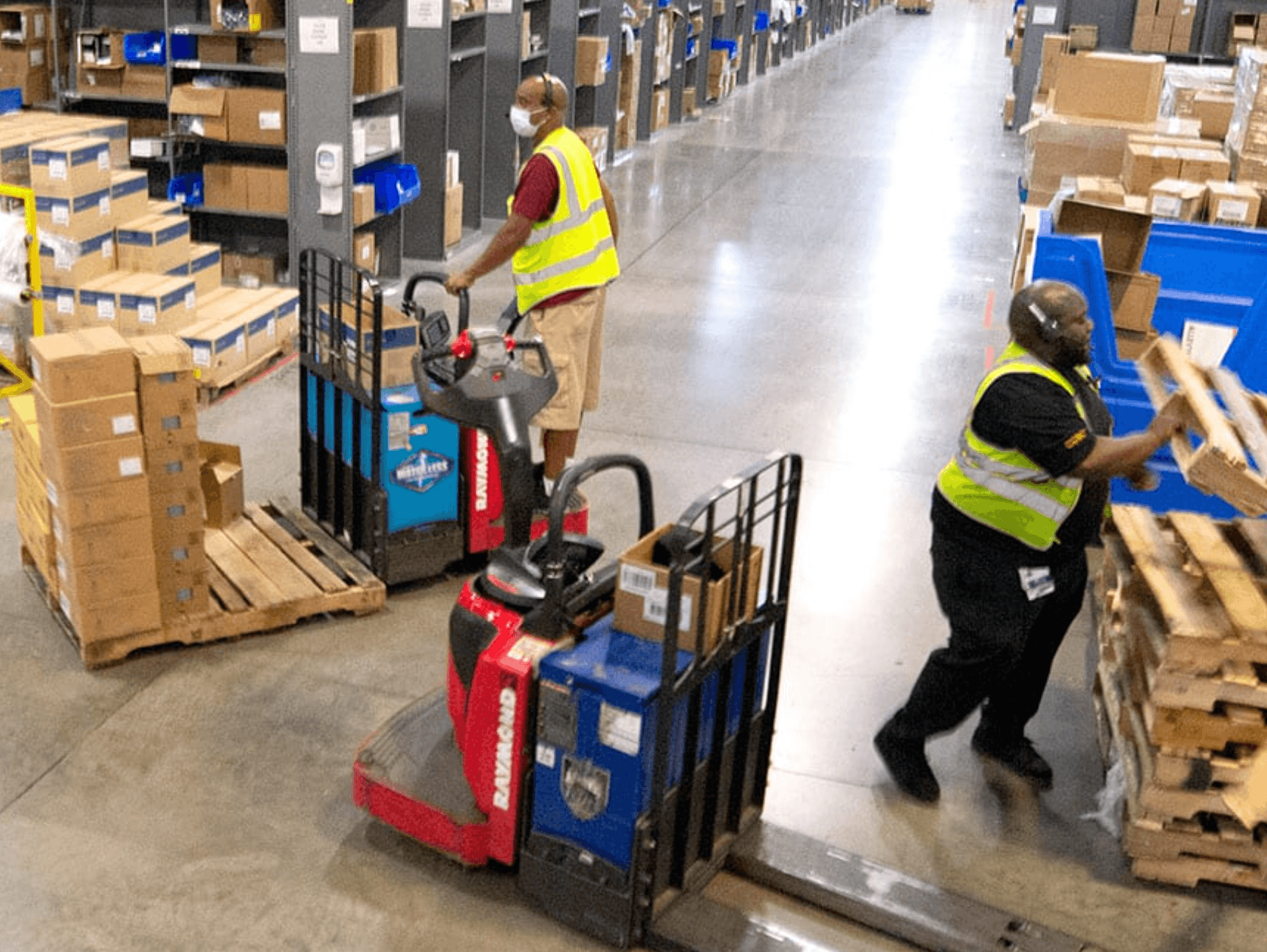
In plants and industrial facilities, uniforms may be used by:
- Manufacturing employees
- Food processing teams
- Chemical plant workers
- Maintenance crews
- Warehouse teams
- Quality control teams
- Sanitation teams
- Drivers and logistics teams
- Lab personnel
When uniforms are not properly tracked, employees may receive the wrong garments, replacement costs may increase, and teams may lose visibility into what is in circulation.
How RFID Laundry Tags Work for Uniform Programs
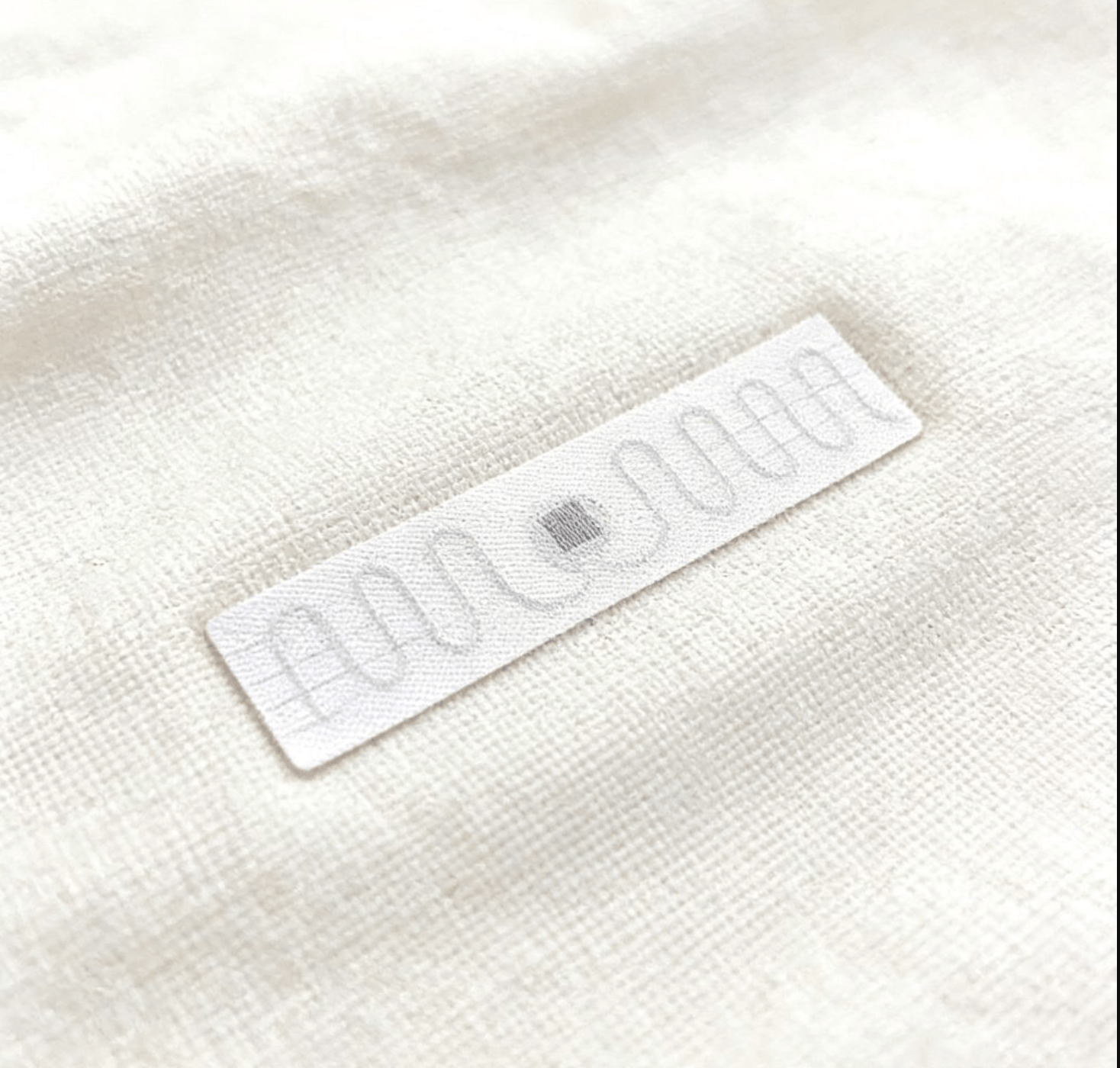
RFID laundry tags are attached to garments and encoded with a unique identifier. When a uniform passes near an RFID reader, the system captures the tag data and records the garment’s movement.
This can help track uniforms as they move through:
- Employee issue
- Plant collection points
- Laundry carts or bags
- Third-party laundry services
- Cleaning and processing
- Return delivery
- Employee redistribution
- Repair or replacement cycles
Instead of relying only on manual sorting and paper records, RFID helps create a more accurate record of each garment.

Tracking Employee-Issued Uniforms
Many industrial uniform programs assign garments to specific employees. RFID laundry tags can help identify which uniforms belong to which employee, department, size, or job role.
This can reduce confusion and make it easier to verify whether the correct garments were returned after cleaning.
RFID can support tracking for:
- Employee name or ID
- Department
- Garment type
- Size
- Issue date
- Cleaning history
- Return status
- Replacement history
This level of visibility can make uniform programs easier to manage, especially for large teams.
Managing Third-Party Laundry Services
Many plants send uniforms to outside laundry providers. Without RFID, it can be difficult to confirm exactly what was sent out, what was cleaned, and what was returned.
RFID laundry tags help create a more accurate handoff between the facility and the laundry provider.
This can help reduce:
- Missing garments
- Incorrect returns
- Billing disputes
- Manual reconciliation
- Employee complaints
- Unnecessary replacements
For uniform rental and laundry service providers, RFID can also help automate sorting and improve customer-level inventory tracking.
Supporting Flame-Resistant and Protective Garments
Some industrial uniforms are tied to safety programs. Flame-resistant garments, high-visibility apparel, lab coats, and protective workwear may need to be tracked more carefully than standard uniforms.

RFID laundry tags can help monitor:
- How many garments are in circulation
- How often garments are cleaned
- When garments are repaired
- When garments should be replaced
- Which employees received specific items
- Whether items were returned after use
This can support more organized garment lifecycle management.
Food Processing and Sanitation Uniforms
Food processing and sanitation environments often require clean uniforms to help support facility hygiene programs. Uniforms may need to be collected, cleaned, and returned on a strict schedule.
RFID laundry tags can help track smocks, coats, pants, aprons, and other reusable garments across departments and cleaning cycles.
This gives plant teams and laundry providers better visibility into uniform availability and return accuracy.
Reducing Uniform Loss
Uniform loss can happen when garments are misplaced, sent to the wrong employee, mixed with another facility’s laundry, or not returned. Over time, these losses can increase replacement costs.
RFID laundry tags create a unique record for each garment. This makes it easier to know when the item was last scanned and where it moved through the process.
Better visibility can improve accountability and reduce unnecessary replacement spending.
Improving Efficiency for Plant Teams
Manual uniform tracking can take significant time. Staff may need to sort garments, count returns, investigate missing items, and handle employee uniform issues.
RFID can help reduce this manual work by automating identification and tracking.
This can support:
- Faster sorting
- More accurate employee returns
- Better inventory visibility
- Reduced administrative work
- Fewer missing garment investigations
- Improved laundry provider communication

Choosing RFID Laundry Tags for Industrial Uniforms
Industrial uniforms may be exposed to demanding conditions. RFID laundry tags should be selected based on the garment type, cleaning process, and performance needs.
Important considerations include:
- Garment material
- Wash and drying conditions
- Chemical exposure
- Heat exposure
- Attachment method
- Comfort and flexibility
- Read range
- Expected wash cycles
- Uniform assignment requirements
- Laundry vendor compatibility
The right tag should be durable enough for frequent laundering while remaining secure and practical for the garment.
RFID Laundry Tags Help Industrial Uniform Programs Stay Organized
RFID laundry tags help plants, manufacturing facilities, food processors, and industrial uniform programs gain better control over workwear. By tracking employee-issued uniforms, flame-resistant garments, lab coats, high-visibility apparel, and other reusable garments, RFID can reduce loss, improve laundry accuracy, and support more efficient uniform management.
For organizations sending uniforms out for frequent cleaning, RFID technology offers a smarter way to manage garments from issue to collection, laundering, return, and replacement.
.
FAQs:
Do RFID Laundry Tags hold up to multiple folding?
Yes. The laundry tags we sell are wire based and designed for 300 washes. See attached spec sheet.
When it comes to preventing textile loss, are RFID tags easily seen and easily removed?
RFID in this situation is either stitched into a seam, or placed in a “pocket” designed for RFID. Users may not even know it’s there.
In addition to Military uniforms and garments, do professional sport teams also use RFID laundry tags for their inventory of uniforms, towels, equipment?
All pro teams now use RFID…for tracking performance! You will see a little rectangular bump on uniforms….easy to see on hocky jerseys, which are being tracked by readers in the arenas.
When it comes to hospitals and healthcare facilities, could RFID tags help to locate and mitigate the source for disease outbreaks within a facility?
For example, if a patient comes in for a illness but later is found to have a virus, would the RFID help to alert the staff that all of the linens have been effected in this area of the facility?
Because RFID is used for location tracking, knowing where these linens have been can certainly point to a source as well as for quarantine purposes.



RFID Laundry Tags for Hotels and Resorts
Track towels, robes, sheets, pool linens, and spa textiles while reducing linen loss and improving housekeeping efficiency.
RFID Laundry Tags for Hospitals and Healthcare
Improve visibility for gowns, scrubs, patient linens, and department-level textile inventory in healthcare environments.
RFID Laundry Tags for Military Uniform Tracking
Support uniform issue, return, accountability, durability tracking, and large-scale textile management.