


Shrink Sleeve Packaging for Beer Cans: A More Considered Approach
Shrink sleeve packaging is becoming a practical alternative to traditional paperboard carriers. As breweries look for ways to reduce costs, improve efficiency, and create more flexible multi-pack formats, this approach offers a streamlined solution that fits naturally into existing operations.
A Lighter Format That Reduces Shipping Costs
One of the key advantages of shrink sleeve packaging for beer cans is weight reduction. Compared to paperboard cartons, shrink sleeves use less material, which can lower overall shipping costs over time.
Across pallets and large production runs, this difference in weight becomes more noticeablehelping breweries improve freight efficiency without changing their product.
A More Cohesive Way to Present Multi-Packs
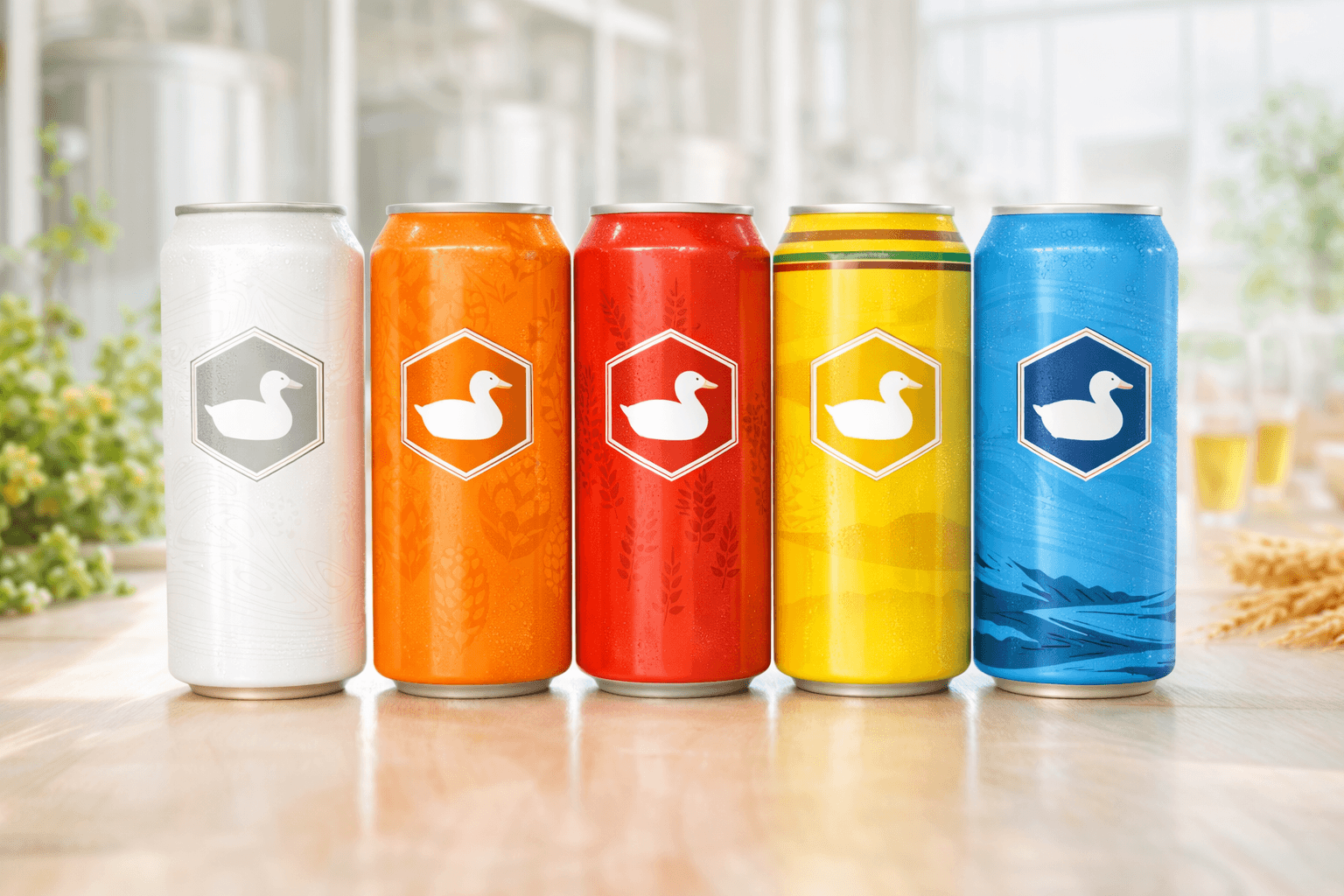
Shrink sleeve packaging for beer cans creates a unified outer wrap that brings the entire pack together.
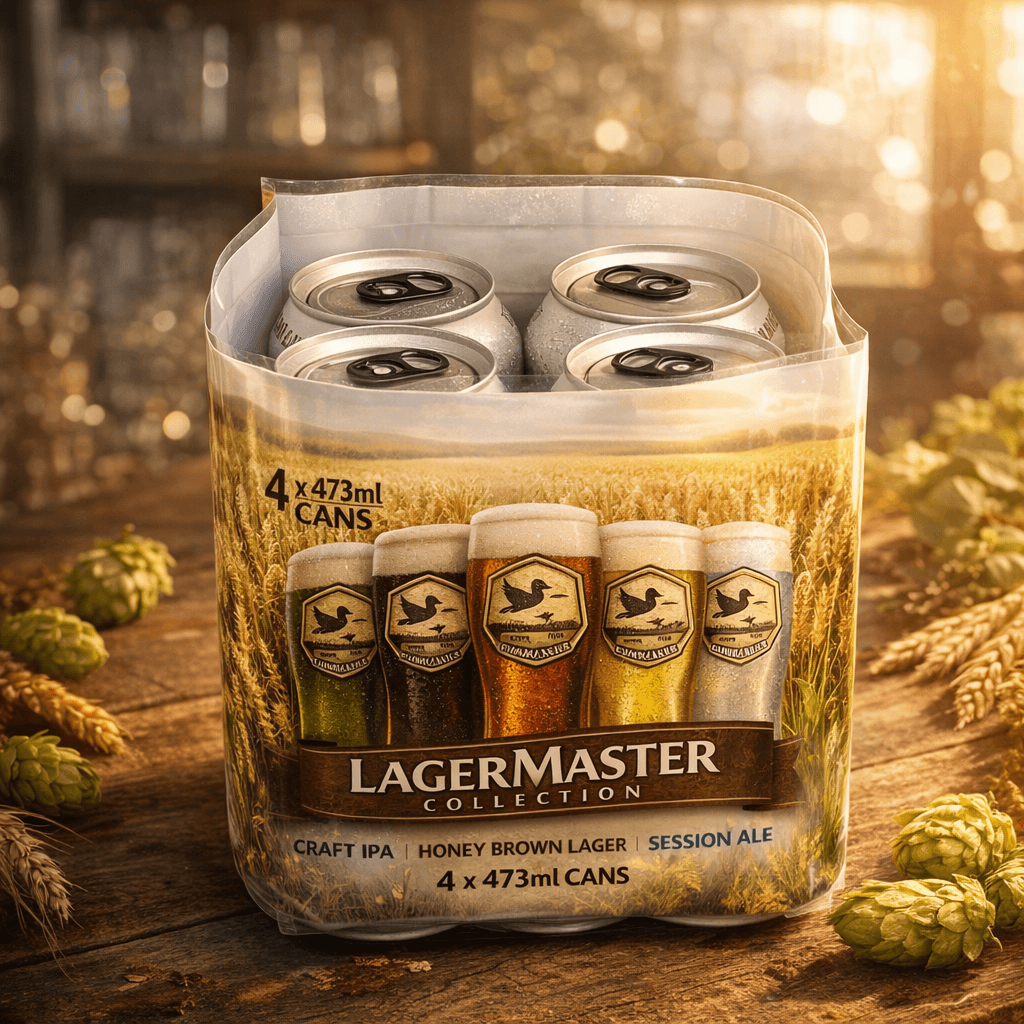
This allows breweries to introduce seasonal messaging, highlight product details, or present a curated mix of beers—without modifying individual can designs. The result is a clean, consistent presentation that supports both brand and product storytelling.
Improved Pack Stability and Less Can Movement
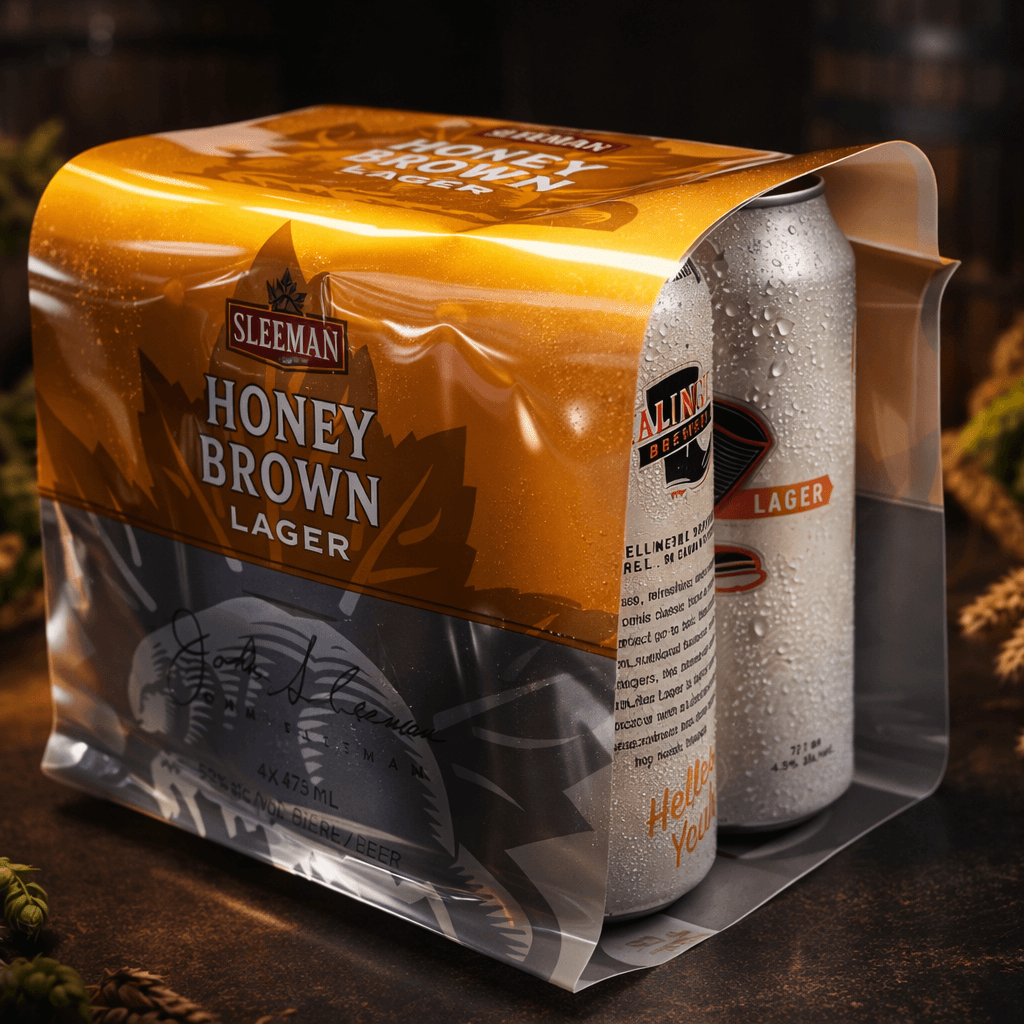
Shrink sleeves conform tightly to the pack, helping reduce movement during transport.
Even small gaps in traditional carriers can allow cans to shift and rub against each other. A properly applied shrink sleeve holds everything in place, improving pack stability from production through to the shelf.
In addition, one shrink format can often be engineered to fit multiple can sizes, reducing the need for separate packaging formats while maintaining a secure fit.
Designed to Work with Existing Equipment
Many breweries assume shrink sleeve packaging for beer cans requires new equipment, such as heat tunnels.
In reality, there are applications that work with equipment already in place. Sleeves can be applied from the top or side, depending on the setup, and are tested to ensure stability and consistency throughout the process.
Built for Flexibility Across SKUs
As product lines expand, flexibility becomes increasingly important.
Shrink sleeve packaging for beer cans makes it easier to create variety packs, seasonal releases, or limited runs. Breweries can combine different SKUs into a single pack while using the outer sleeve to communicate what’s inside.
This approach allows for faster changes without reworking core can designs.
Frequently Asked Questions About Shrink Sleeve Packaging for Beer Cans
1. What is shrink sleeve packaging for beer cans?
It is a film-based material that wraps tightly around a group of cans to hold them together as a multi-pack. It replaces traditional carriers like cartons or plastic holders.
2. Does shrink sleeve packaging require a heat tunnel?
Not always. While some applications use heat tunnels, many breweries can apply shrink sleeve packaging for beer cans using equipment they already have. The best setup depends on your current line.
3. Can shrink sleeves fit different can sizes?
Yes. They can often be engineered to accommodate multiple can sizes within a single format, helping reduce SKU complexity and packaging inventory.
4. Are shrink sleeve multi-packs stable during transport?
Yes. The shrink sleeve conforms tightly to the pack, reducing movement and minimizing the risk of cans rubbing or shifting during shipping and handling.
5. Can I create variety packs with shrink sleeves?
Absolutely! Shrink sleeves are ideal for mixed or seasonal packs. The outer sleeve can highlight the flavors inside without requiring changes to individual can designs. It can also incorporate “windows”, or clear areas, to further display the individual cans inside the pack.
6. How does shrink sleeve packaging compare to cartons?
Shrink sleeves are typically lighter and more flexible than cartons, which can help reduce shipping costs and simplify operations. Shrink sleeve is a film material whereas the cartons are usually paper based. However, cartons remain a strong option depending on your brand and distribution needs.