

Why Tamper-Evident Shrink Sleeve Packaging Matters
Safety and trust are critical in today’s market. Tamper-evident shrink sleeve packaging gives consumers a clear visual signal that a product has not been opened or altered.
For brands, it also supports:
- Regulatory compliance
- Product integrity
- Consumer confidence at the point of purchase
In many categories, tamper evidence is often expected.
How Tamper-Evident Shrink Sleeve Packaging Works
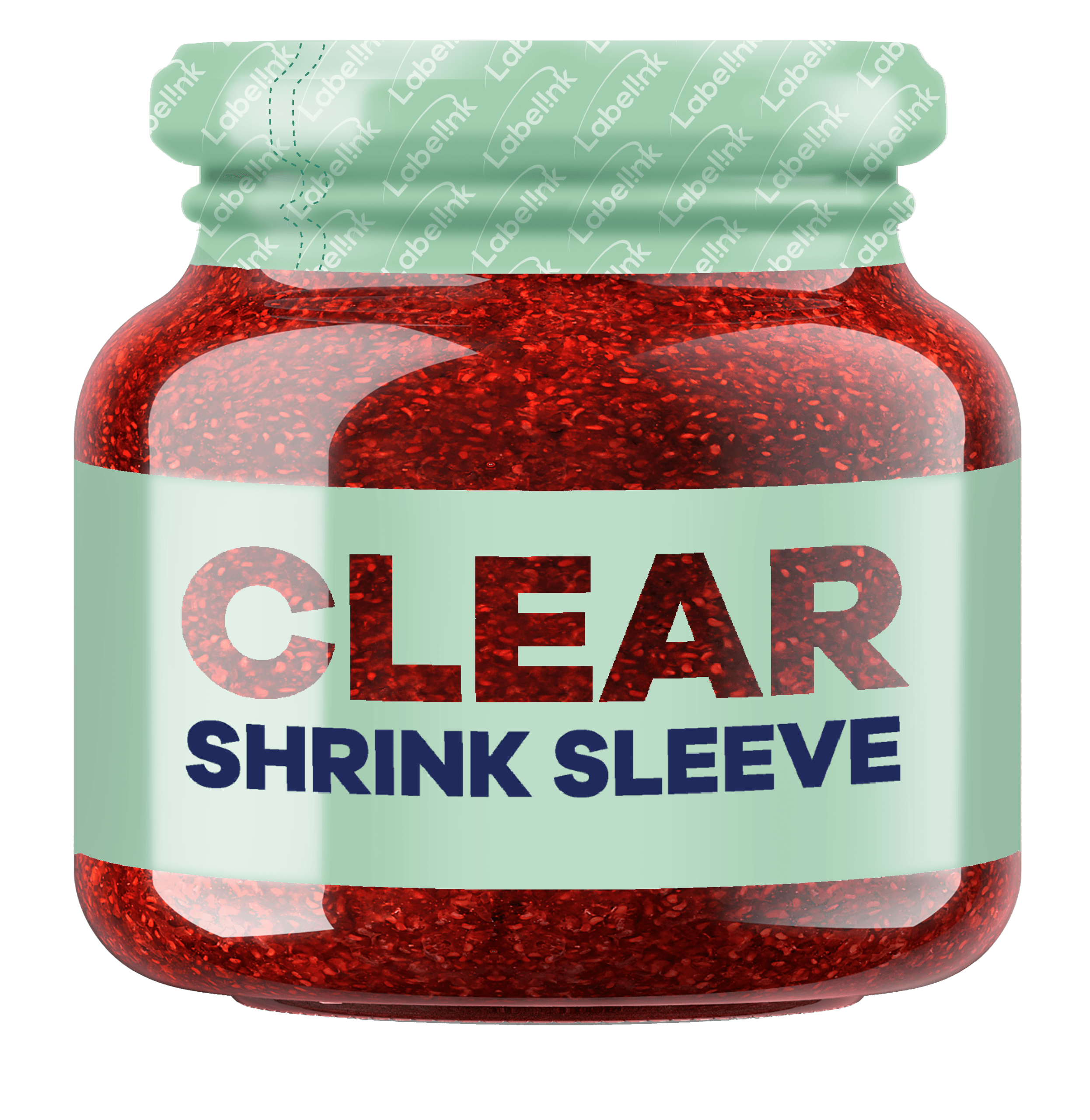
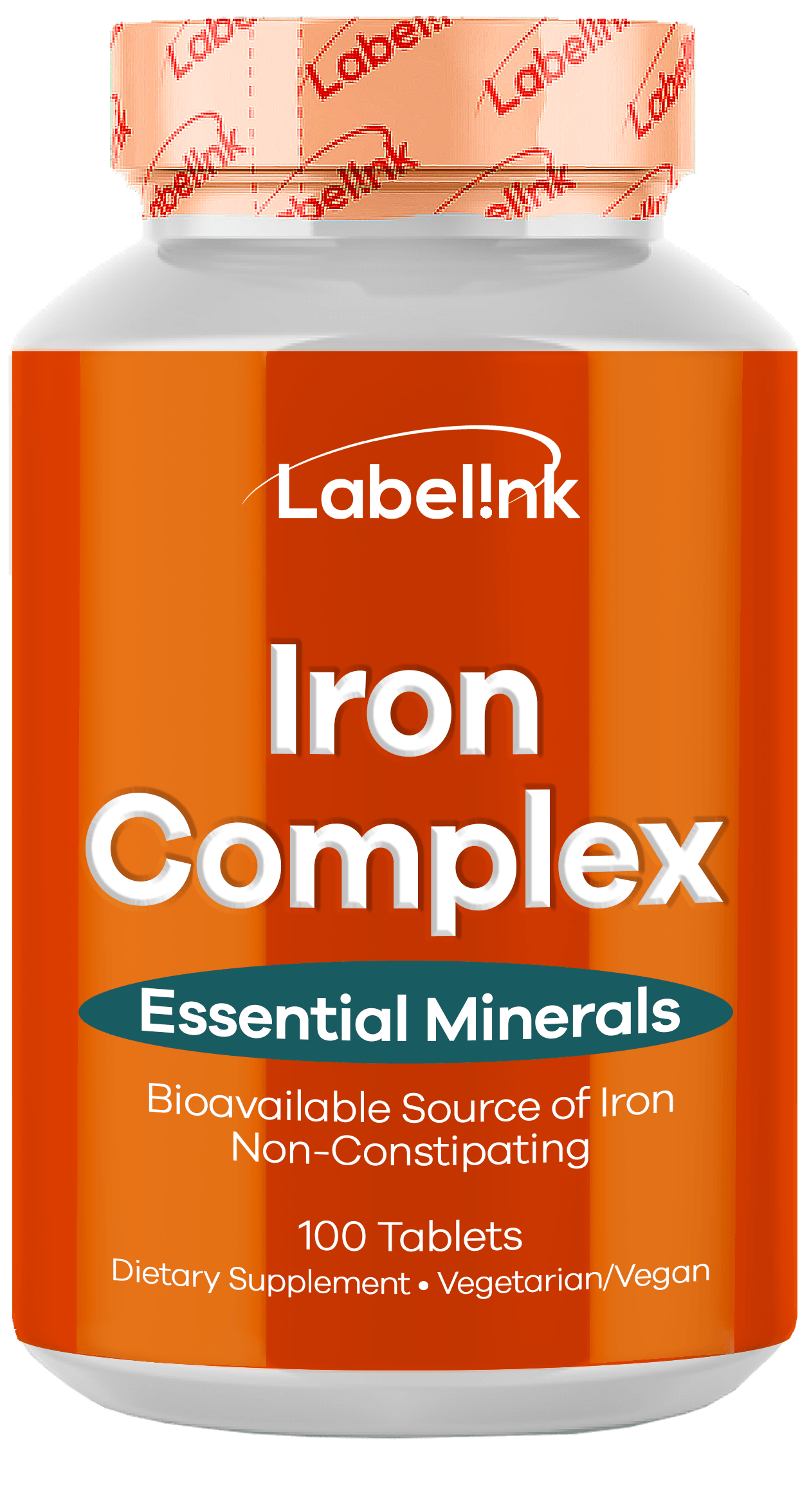
Tamper-evident shrink sleeves typically extend over the cap or closure, creating a seal that must be broken before use.
Common features include:
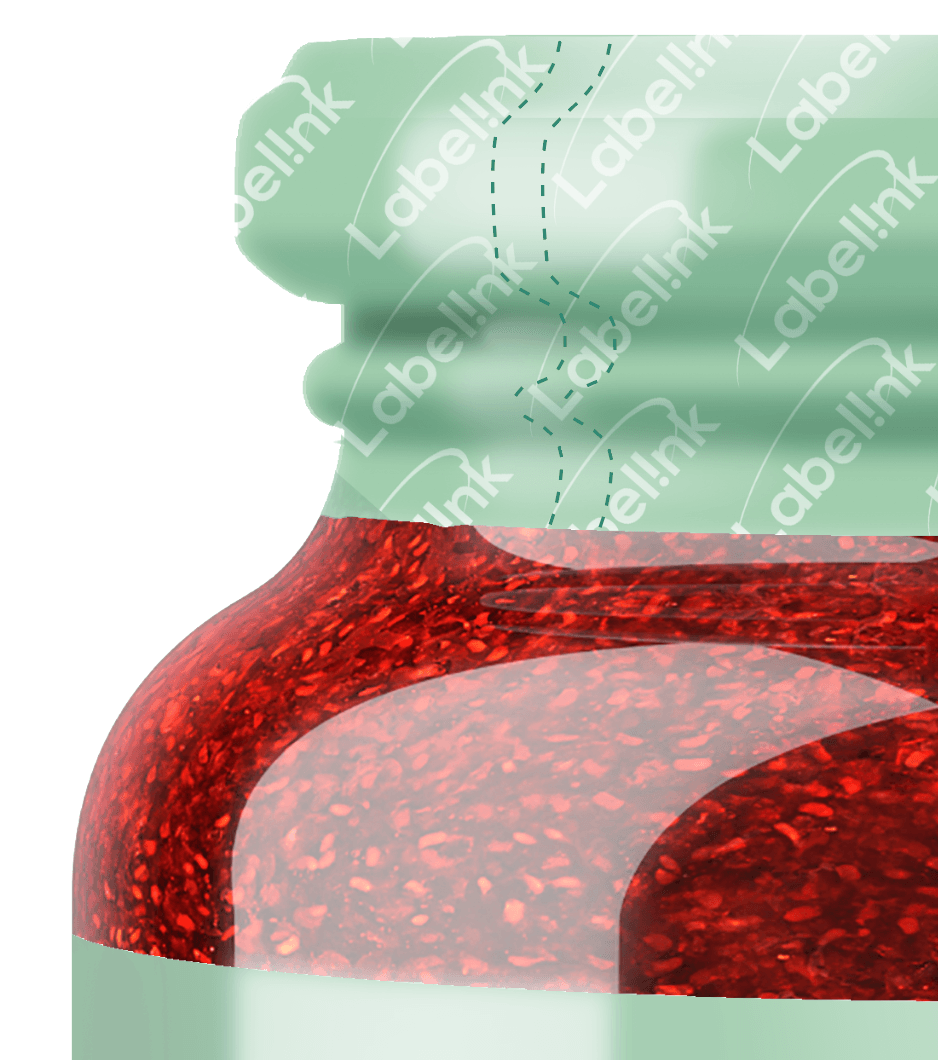
- Perforation lines around the cap
- Full-body sleeves with breakaway bands
- Vertical tear strips for easy opening
Once opened, the sleeve cannot be returned to its original state—providing a clear indication of tampering.
Cap Seals: The First Line of Defense
One of the most effective forms of tamper-evident shrink sleeve packaging is a cap seal.
By extending the sleeve over the closure:
- The product is visibly sealed
- Any interference is immediately noticeable
- Consumers gain confidence before purchase
This is widely used in:
- Beverages
- Pharmaceuticals & OTC Medicine
- Nutraceuticals
- Personal care products
Perforations: Where Engineering Matters Most
Perforations are what make tamper-evident sleeves functional—but they must be engineered correctly.
A well-designed perforation should:
- Tear cleanly and easily
- Stay intact during transport and handling
- Not weaken the sleeve prematurely
If done incorrectly, perforations can:
- Tear too early (compromising the seal)
- Be difficult to open (frustrating the consumer)
- Affect the overall appearance of the package
- Accidentally remove the body sleeve along with the cap seal

The Critical Balance: Secure Yet Easy to Open
This is where true expertise comes in.
With tamper-evident shrink sleeve packaging, the goal is to strike a balance:
- Strong enough to protect the product
- Easy enough to open without effort
No one should have to “pick and pick” at a sleeve to open it—but it also shouldn’t break unintentionally.
Achieving this requires:
- Precise perforation depth
- Correct material selection
- Proper alignment during application
Shrink Dynamics: Why Placement of the Perf Matters
Not all parts of a container shrink the same way.
Highly contoured bottles—such as those with:
- Shoulders
- Curves
- Tapered necks
experience uneven shrink forces.
If a perforation is placed in a high-shrink zone:
- It can distort
- It can weaken prematurely
- It may cause the cap band to separate from the body sleeve
That’s why tamper-evident shrink sleeve packaging must be designed with shrink behavior in mind—not just artwork.
Preventing Cap Band Failure
A common issue is when the tamper band separates too early from the main sleeve body.
This can happen if:
- The perforation is too aggressive
- The placement intersects a stress point
- The shrink ratio is not properly accounted for
Proper engineering ensures:
- The cap band stays intact through distribution
- The body sleeve remains fully applied
- The tear occurs only when the consumer opens the product
Compliance Across Industries
Tamper-evident shrink sleeves are essential in regulated industries.
They help meet requirements for:
- Food and beverage safety
- Nutraceutical packaging
- Pharmaceutical and personal care products
In many cases, visible tamper evidence is a compliance requirement.
Why Expertise Makes the Difference
Tamper-evident shrink sleeve packaging is not a plug-and-play solution. It requires coordination between:
- Material selection
- Container shape
- Shrink direction
- Perforation design
- Application process
Without this expertise, brands risk:
- Packaging failures
- Poor consumer experience
- Compliance issues
Final Takeaway
Tamper-evident shrink sleeves don’t just seal a product; they build trust.
When designed correctly, they:
- Protect the product
- Meet compliance standards
- Deliver a better consumer experience
🔹 FAQ
1. What is tamper-evident shrink sleeve packaging?
This shrink sleeve packaging is designed with features like perforations or cap seals that show if a product has been opened. If someone tries to open the product before it is purchased, the tampering will be obvious since the product cannot be opened without damaging the perforations.
2. How do tamper-evident shrink sleeves work?
They extend over the cap and include perforations that must be broken before opening. This is a clear indication if the product has been tampered with before it reaches the final consumer.
3. What is a shrink sleeve cap seal?
A cap seal is when the sleeve covers the closure, creating a visible tamper-evident barrier.
4. Why are perforations important?
Perforations allow the sleeve to tear easily while maintaining strength during handling.
5. Can perforations affect shrink performance?
Yes. Poor placement or design can lead to premature tearing or distortion. This is why relying on Labelink is the right partner
6. Which industries require tamper-evident packaging?
Food, beverage, nutraceutical, and personal care industries commonly recommend it.
Learn More Shrink Sleeve Technologies