


When textile inventory is not managed properly, healthcare teams may face shortages, overstocking, misplaced items, and unnecessary replacement costs. RFID laundry tags help solve these challenges by giving each textile item a unique digital identity.
With RFID technology, hospitals and healthcare facilities can improve laundry visibility, track inventory by department, and better manage the textiles that support patient care.
Why Textile Tracking Matters in Healthcare
Healthcare laundry management is complex because textiles move constantly between patient rooms, departments, laundry services, storage areas, and clinical teams.
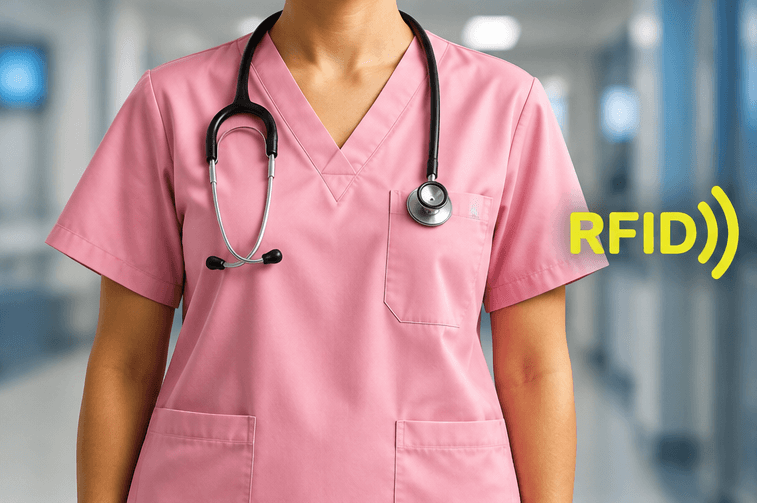
Hospitals may need to manage:
- Patient gowns
- Bed sheets
- Blankets
- Towels
- Scrubs
- Isolation gowns
- Reusable protective garments
- Department-specific linens
- Surgical or specialty textiles
Each item needs to be clean, available, and returned to the correct location. RFID laundry tags help create better control over this movement.
How RFID Laundry Tags Work in Healthcare
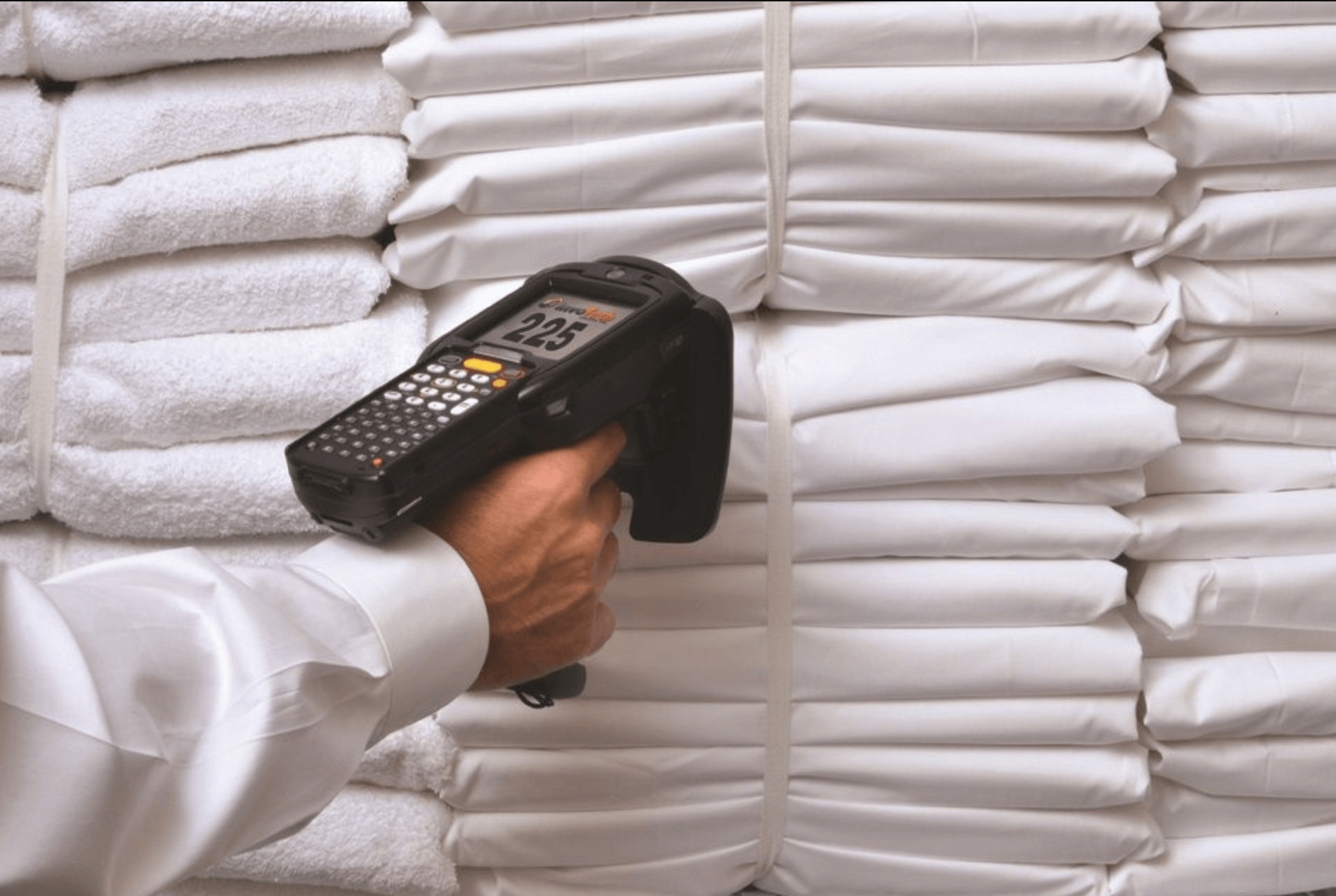
RFID laundry tags are attached to gowns, linens, scrubs, or other reusable healthcare textiles. Each tag contains an RFID chip and antenna with a unique identification number.
When the tagged item passes near an RFID reader, the system records the item’s movement. This can help teams understand whether an item is in use, in laundry, in storage, assigned to a department, or missing.
RFID can help track healthcare textiles through:
- Patient rooms
- Nursing units
- Operating or procedure areas
- Linen carts
- Laundry collection points
- On-site laundry rooms
- Third-party healthcare laundries
- Clean linen storage areas
- Department supply rooms
This reduces reliance on manual counting and improves inventory accuracy.
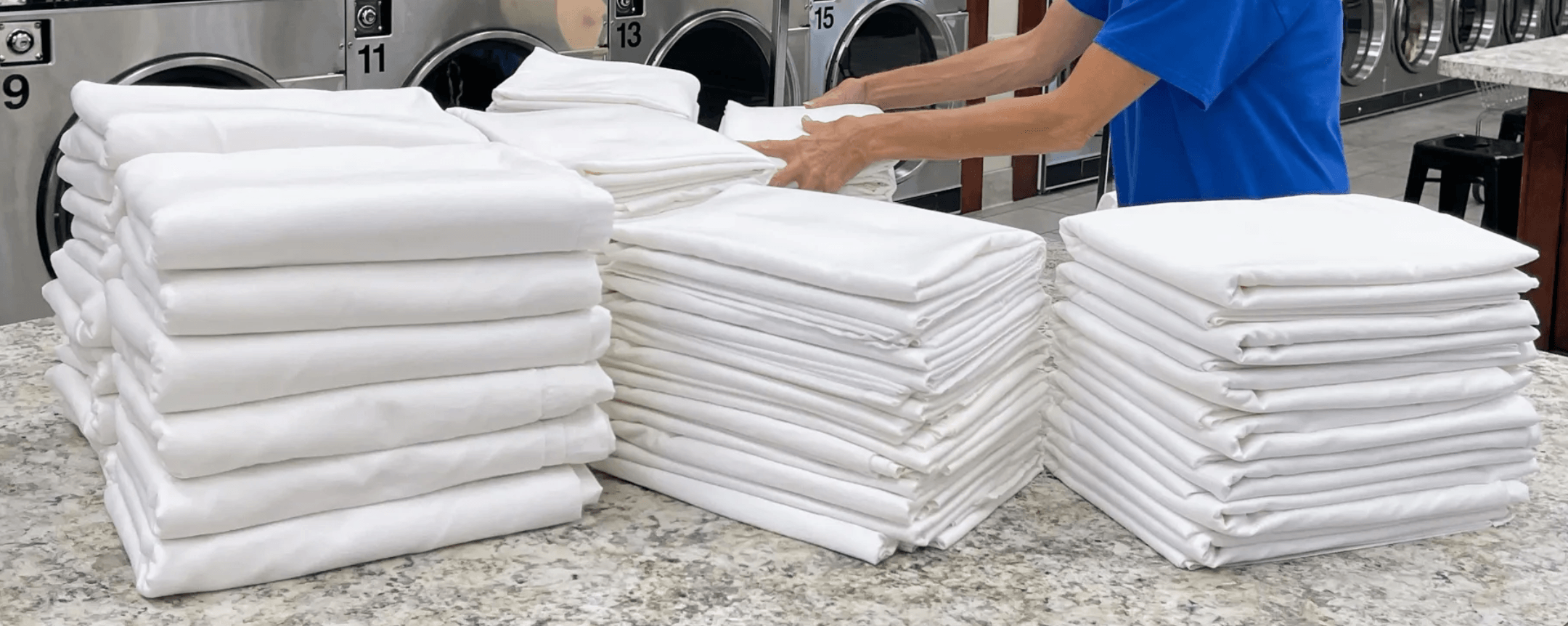
Tracking Gowns, Scrubs, and Patient Linens
Healthcare facilities use many types of textiles, and each category can benefit from RFID tracking.
Patient Gowns
Patient gowns are used throughout the facility and may move quickly between rooms, laundry bins, and clean storage. RFID can help track gown inventory and reduce shortages.
Scrubs
Scrubs may be issued to employees, departments, or procedure areas. RFID can support better control of scrub usage, return, and replenishment.
Bed Linens and Blankets
Sheets, blankets, and pillowcases are essential for patient rooms. RFID laundry tags help facilities monitor available inventory and reduce misplaced linens.
Towels and Specialty Textiles
Towels, reusable protective garments, and department-specific textiles can also be tracked to improve visibility and reduce loss.
Department-Level Inventory Control
One of the biggest advantages of RFID laundry tags in healthcare is department-level tracking. Hospitals often distribute linens and garments across many areas, each with different usage patterns.
RFID can help healthcare teams understand:
- Which departments are using the most textiles
- Where shortages occur most often
- Which items are being lost or replaced frequently
- How much inventory is needed for each area
- Whether items are being returned properly
This supports better budgeting, ordering, and replenishment decisions.
Reducing Textile Shortages
Textile shortages can create stress for healthcare teams. When gowns, linens, or scrubs are not available when needed, staff may need to search for supplies, borrow from other departments, or order emergency replacements.
RFID laundry tags help reduce these issues by improving visibility into clean inventory, used inventory, and items currently being processed.
Better visibility helps facilities maintain more accurate par levels and avoid unnecessary stockouts.
Supporting Clean Textile Availability
RFID laundry tags do not replace proper laundry sanitation processes, but they do help support clean textile availability. By improving tracking and inventory control, RFID helps healthcare facilities ensure the right items are available in the right locations.
This is especially valuable in large facilities where textiles move between multiple departments and laundry vendors.
Reducing Loss and Replacement Costs
Healthcare textiles can be lost when items are misplaced, discarded accidentally, sent to the wrong facility, or not returned from laundry. RFID laundry tags create a traceable record that can help identify where losses are occurring.
This can reduce unnecessary replacement spending and improve accountability between departments and service providers.
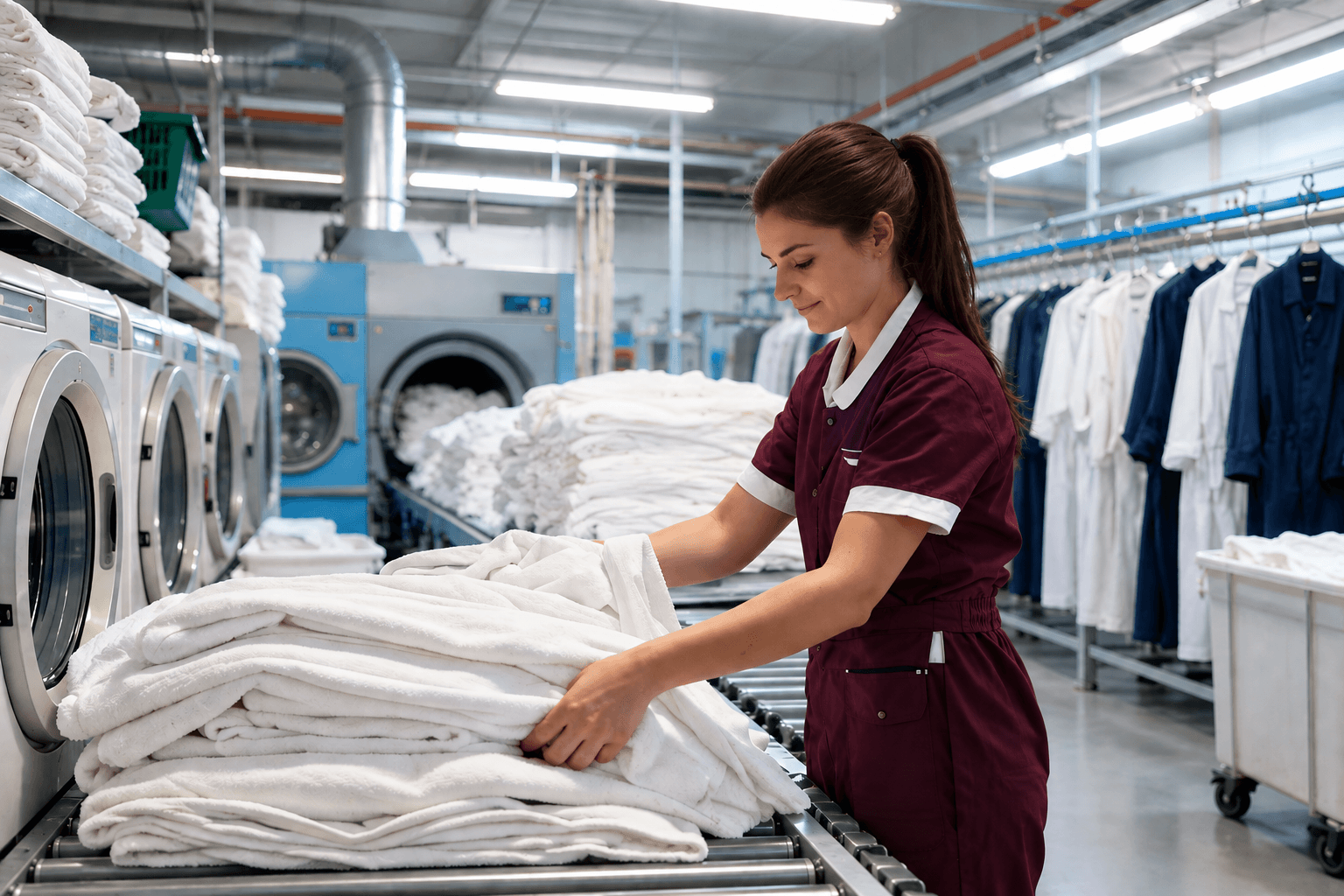
Supporting Third-Party Healthcare Laundry Services
Many hospitals work with outside laundry providers. RFID can help create a more accurate record of what was sent out and what was returned.
This can support:
- More accurate billing
- Fewer inventory disputes
- Better service-level visibility
- Improved textile accountability
- Cleaner handoffs between facilities and vendors
For healthcare laundry providers, RFID can also improve sorting, processing, and customer-specific inventory management.
Choosing RFID Laundry Tags for Healthcare
Healthcare environments may require RFID laundry tags that can withstand frequent washing, drying, detergents, chemical exposure, and repeated handling.
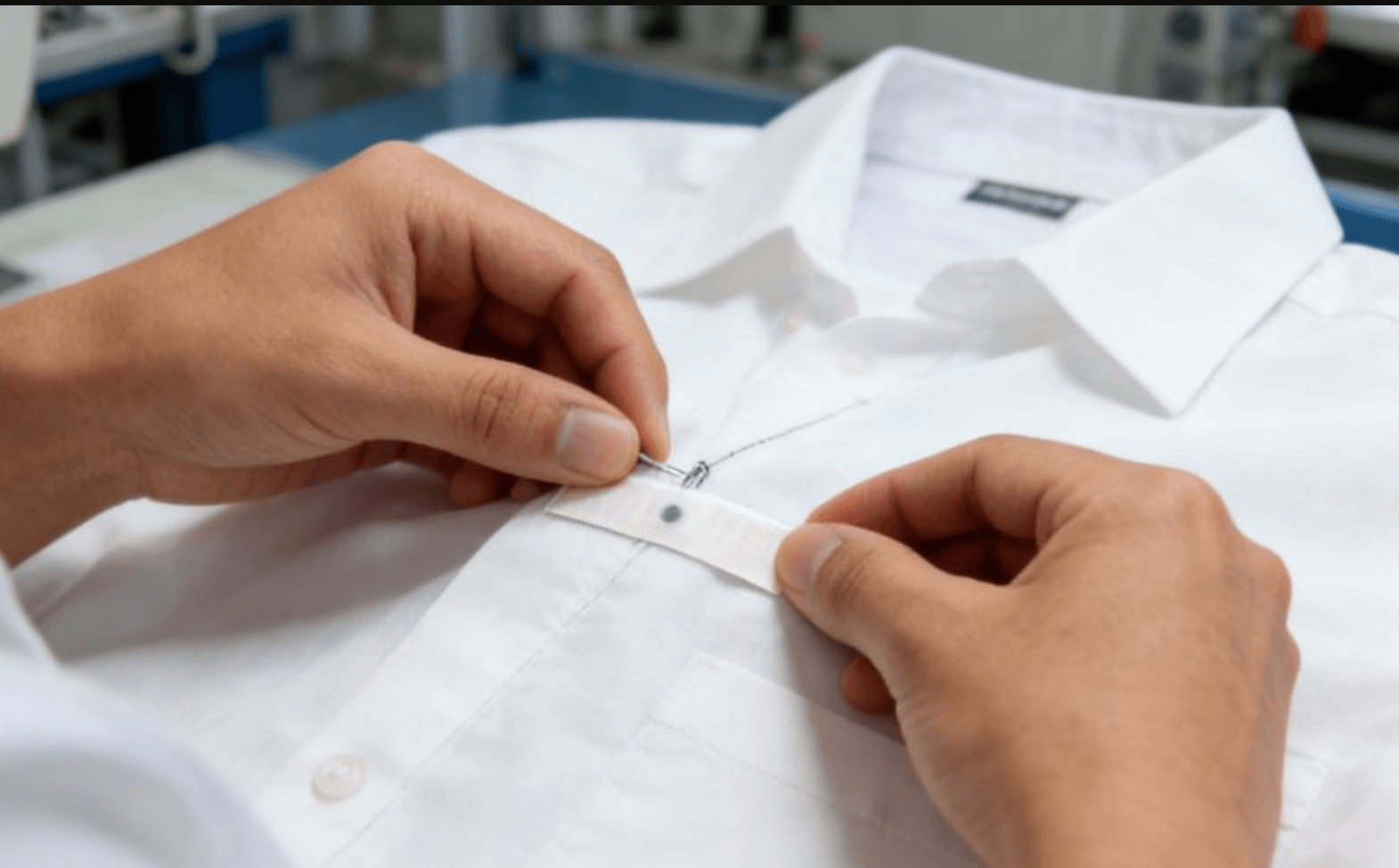
Important considerations include:
- Textile type
- Wash temperature
- Drying conditions
- Chemical exposure
- Tag attachment method
- Comfort and flexibility
- Read range
- System compatibility
- Expected textile lifespan
- Department tracking needs
The right tag should be selected based on the laundry process and the textile’s role within the facility.
RFID Laundry Tags Help Healthcare Facilities Improve Control
RFID laundry tags help hospitals and healthcare facilities manage critical textile inventory with greater accuracy and efficiency. By tracking gowns, scrubs, patient linens, blankets, towels, and department-level inventory, RFID can reduce loss, improve availability, and support more reliable laundry operations.
For healthcare facilities managing high volumes of reusable textiles, RFID technology offers a smarter way to protect assets and keep essential items available when they are needed most.
FAQs:
When it comes to hospitals and healthcare facilities, could RFID tags help to locate and mitigate the source for disease outbreaks within a facility?
For example, if a patient comes in for a illness but later is found to have ebola virus, would the RFID help to alert the staff that all of the linens have been effected in this area of the facility. Maybe this is a ridiculous question but that is where my mind went. Because RFID is used for location tracking, knowing where these linens have been can certainly point to a source as well as for quarantine purposes.
Do RFID Laundry Tags hold up to multiple folding?
Yes. The laundry tags we sell are wire-based and designed for 300 washes.
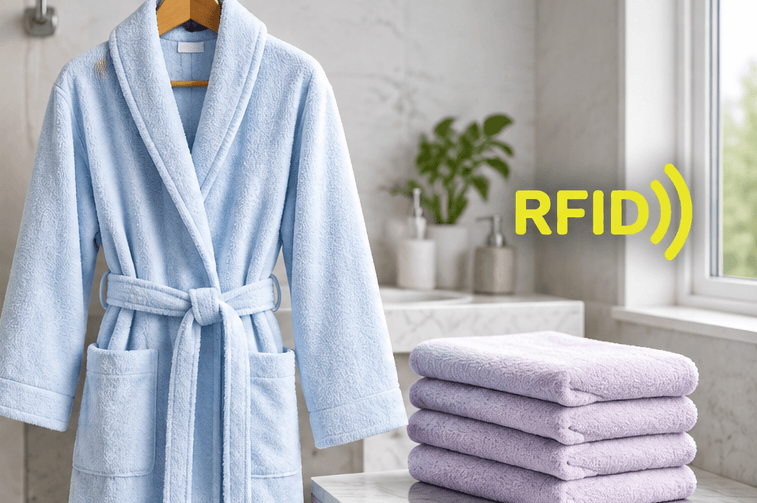


RFID Laundry Tags for Hotels and Resorts
Track towels, robes, sheets, pool linens, and spa textiles while reducing linen loss and improving housekeeping efficiency.
RFID Laundry Tags for Industrial Uniform Programs
Track employee-issued uniforms, flame-resistant garments, lab coats, and workwear sent out for frequent cleaning.
RFID Laundry Tags for Military Uniform Tracking
Support uniform issue, return, accountability, durability tracking, and large-scale textile management.