

Why Recyclable Shrink Sleeve Packaging Matters
Sustainability is no longer optional. Brands are expected to reduce waste while maintaining performance—and recyclable shrink sleeve packaging plays an important role in achieving both.
Traditionally, full-body sleeves created challenges in recycling streams. Today, advancements in materials and design make it possible to improve recyclability without sacrificing shelf impact.
How Recyclable Shrink Sleeve Packaging Works
It is designed to work with existing recycling systems when specific conditions are met.
These include:
- Compatible materials
- Proper separation from the container
- Clear consumer removal
When designed correctly, shrink sleeves can align with recycling processes for PET, HDPE, and PP containers.
Material Options That Support Recycling
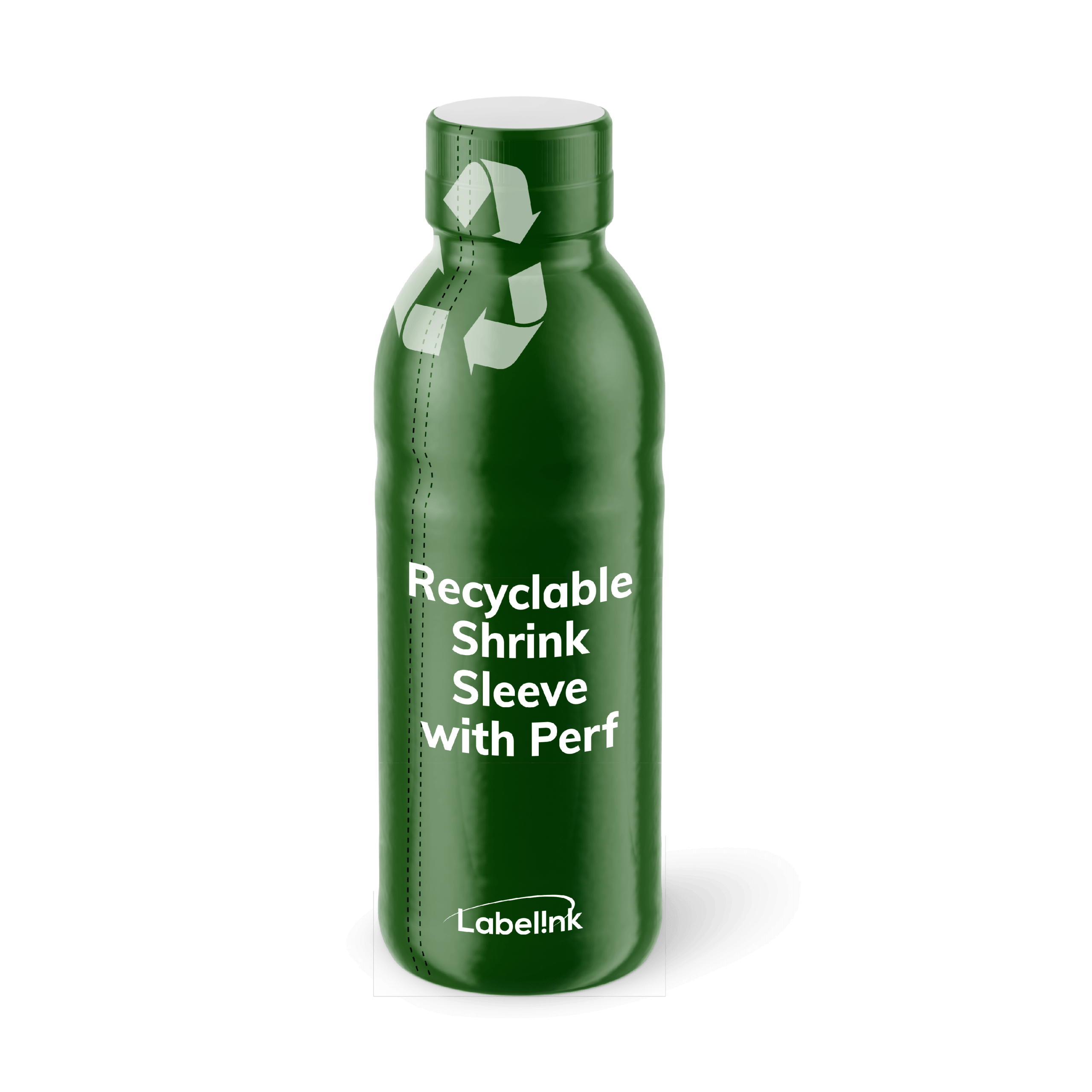
Not all materials perform the same in recycling environments. Recyclable shrink sleeve packaging typically uses:
- Floatable materials that separate during washing
- Low-density films compatible with recycling systems
- Materials designed to minimize contamination
Choosing the right material is one of the most important steps in improving recyclability.
The Role of Consumer Removal
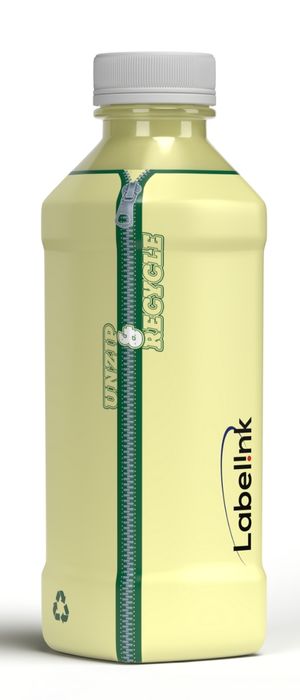
Even with improved materials, recyclable shrink sleeve packaging often depends on proper removal before recycling.
Design features that support this include:
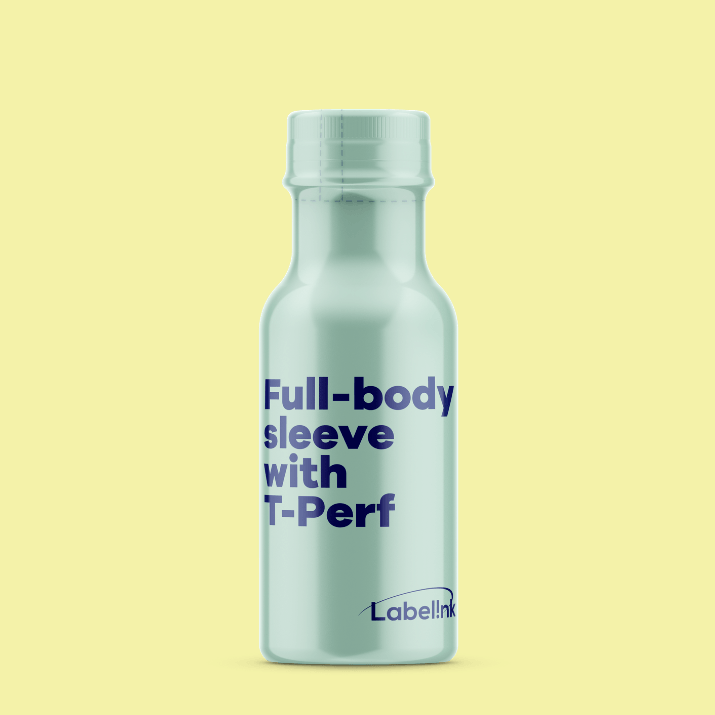
- Perforations for easy tearing
- Zipper seams for full removal
- Clear visual cues for consumers
These features make it easier for users to separate the sleeve from the container, improving recycling outcomes.
Designing for Recycling Without Losing Shelf Impact
A common concern is whether sustainability limits design. In reality it still allows:
- Full-body branding
- High-quality graphics
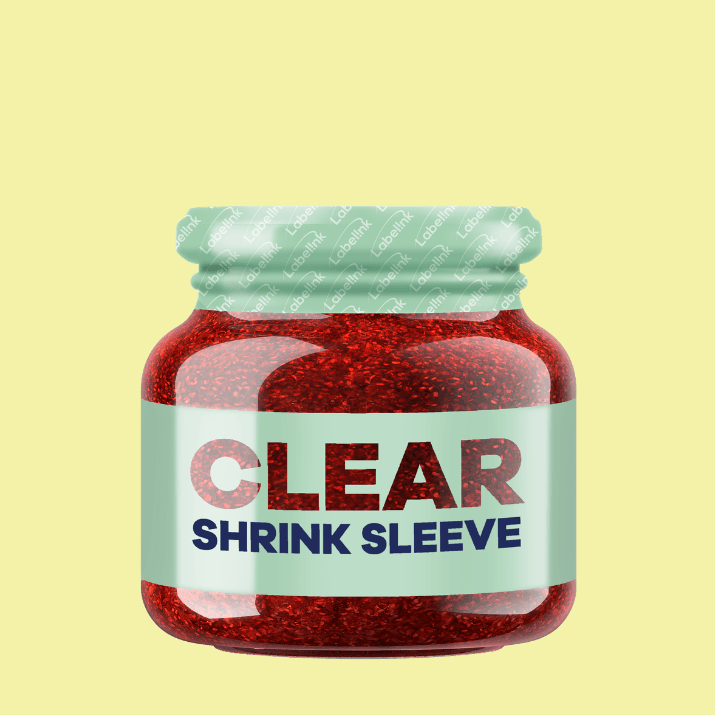
- Strategic use of clear areas
Brands can balance environmental responsibility with strong visual performance.
Industry Applications
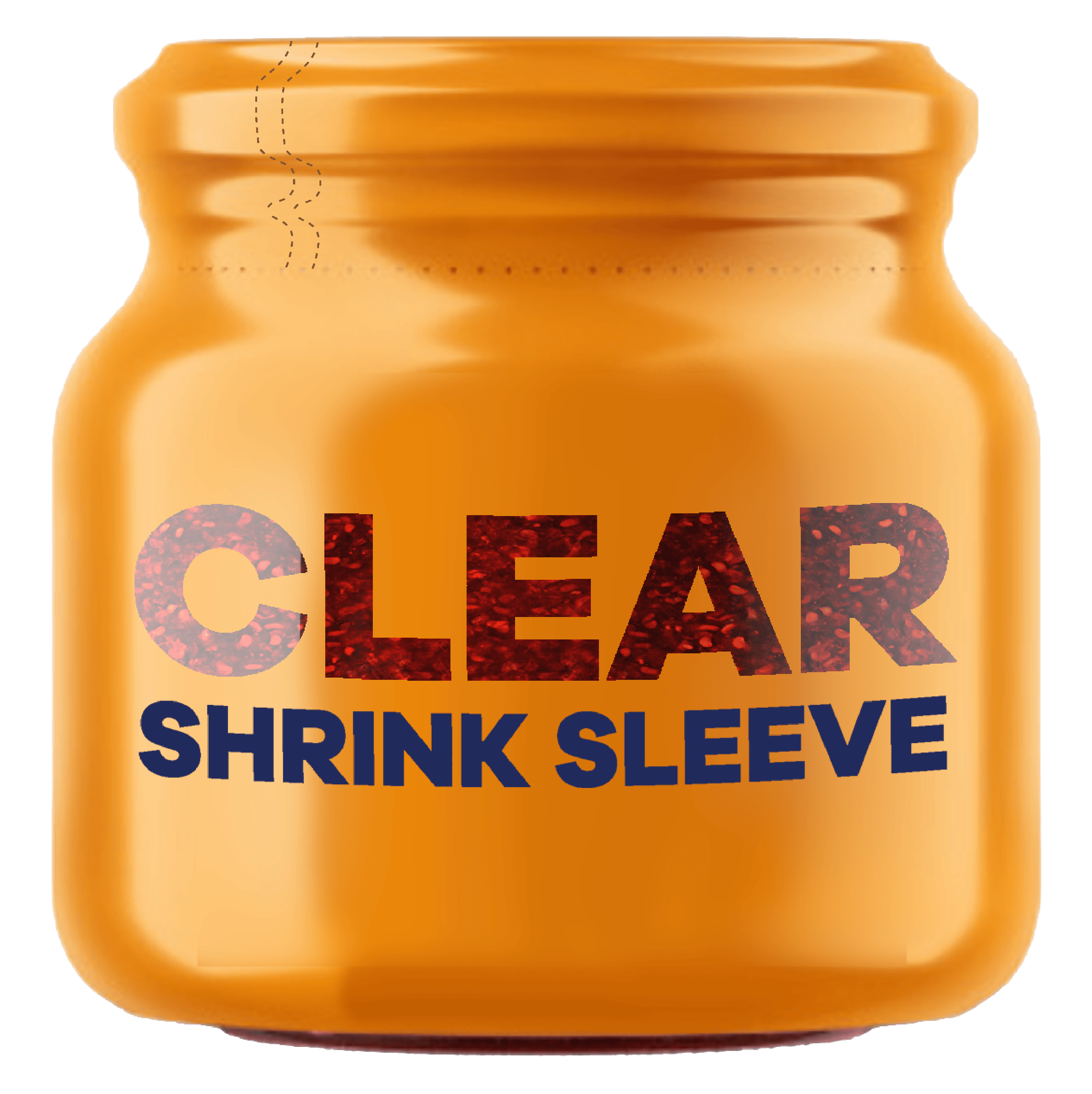
Recyclable shrink sleeve packaging is increasingly used across:
- Beverage products
- Personal care items
- Nutraceuticals
- Household and chemical products
Each industry benefits from improved sustainability while maintaining packaging performance.
Common Misconceptions About Shrink Sleeve Recycling
There are still misconceptions about shrink sleeves and recyclability.
Myth: Shrink sleeves are not recyclable
Reality: Recyclability depends on your container, sleeve material selection and design
Myth: Full-body coverage prevents recycling
Reality: Proper removal features and materials can support recycling streams
Final Takeaway — Sustainability Without Compromise
Recyclable shrink sleeve packaging proves that brands don’t need to choose between sustainability and performance.
With the right materials and design strategy, it’s possible to reduce environmental impact while maintaining strong shelf presence and functionality.
Want to learn more about shrink sleeve packaging?
Read our : Shrink Sleeve Packaging Overview
🔹 Frequently Asked Questions
1. What makes a shrink sleeve recyclable?
Recyclable shrink sleeve packaging uses materials and design features that allow the sleeve to be removed or processed within recycling systems.
2. Are shrink sleeves recyclable?
Yes, but it depends on the material and whether the sleeve is removed before recycling.
3. What materials are used for recyclable shrink sleeves?
Floatable films and low-density materials are commonly used to support separation during recycling. However, we do have a few materials that are optimized for recycling with the container. These sleeves are not removed and they are recycled too!
4. Do consumers need to remove shrink sleeves before recycling?
No: If you choose one of our specialized sleeves that can be recycled with PET, HDPE or PP containers, they are 100% recyclable along with the container. This means no waste!
Yes: If you choose one of our standard shrink sleeves, we can easily incorporate a perforation or zipper to make removal easier before recycling.
5. Does recyclable shrink sleeve packaging limit design?
No. Brands can still use full-body graphics and high-impact designs while improving recyclability.
Learn More Shrink Sleeve Technologies